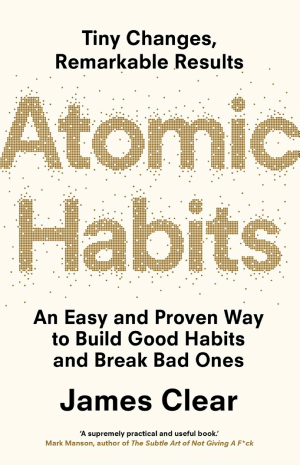
James Clear's mega-bestseller Atomic Habits has tons of insights and actionable tools to put to work. I know James from his early newsletter days, when he wrote some brilliantly researched essays. Lots of those ideas make it into this book.
 Subscribe
Get the book!

Prefer to listen?
🎉 Help keep Sketchplanations ad-free 🎉 Keep this ad-free 🎉 Help keep Sketchplanations ad-free by supporting me
Books
Looking for books to expand your mind and change how you think about the world? Many of my sketches explain ideas I learned from books. Here are those books.
At the top are favourites, with a few words from me about some of them. Further down are more books I've drawn on, from psychology and science to creativity and business.
Links are affiliate links, so I may earn a commission at no extra cost to you.
Thanks for supporting the site!
Start here
Favourites from the sketches, and why I love them.
I just love Factfulness. There's no way you can read this book and not learn fascinating things that change your view of the world. It's packed with fundamental but surprising facts, including a quiz that I guarantee you won't score too well on. Too few people have a good grasp of the data about what's actually happening in the world, and Factfulness helps correct that.
The book is nominally about writing, but when I read it, I found it was really about any creative expression. It's about finding what you can uniquely bring to the world and encouraging you to make that happen. Brenda writes with a joyful clarity and directness, and I took many deep lessons from this book.
This remains one of the few substantial books I've read in one sitting. I got it on a Friday and read through until eleven in the evening at the lab at UC Berkeley. It fundamentally changes how you look at thought and language, with so many wonderful examples of the language that shapes our thinking, hidden in plain sight. The authors have since written more in-depth works, but Metaphors We Live By is still a very readable introduction and a fascinating read.
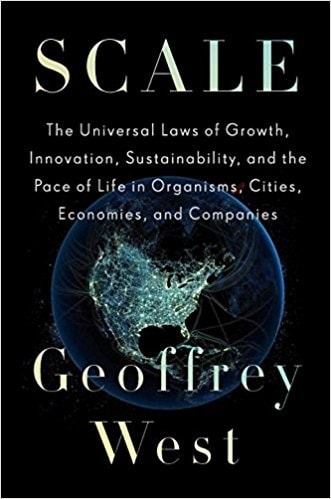
No question, this is my favourite popular science book. Geoffrey West uses simple mathematical laws to tie together incredible facts and insights about how animals differ, from the ant to the blue whale, and how those same principles might apply to scaling cities and creative output. There's just so much in this book: basic science to learn, but also ideas that make you look at the world differently all the way through.
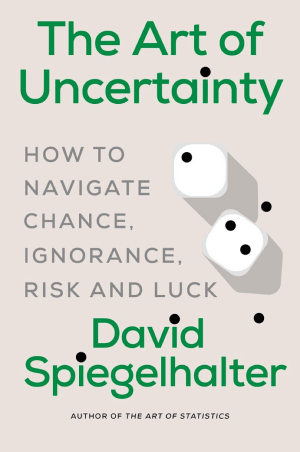
This book is relentlessly fun and fascinating, examining all sorts of phenomena we encounter every day: lotteries, coincidences, the chances of accidents, the dangers of smoking versus skydiving, how to do good magic tricks, win at casinos and interpret newspaper headlines about data. It's really valuable material to help you interpret the numbers we're always encountering in the world.
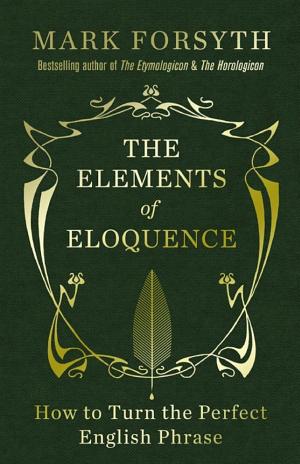
Mark Forsyth is an incredibly knowledgeable and entertaining writer. Here he takes you through many of the figures of speech and rhetoric that help make writing engaging. The terminology can be complicated, but the reading is always fun and filled with brilliant examples.
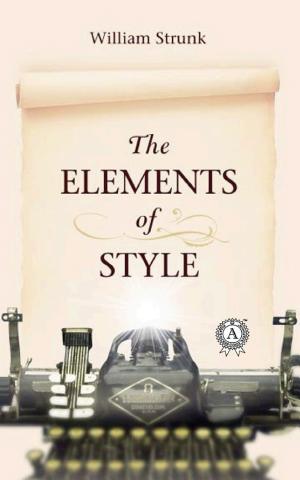
I was recommended Strunk and White when preparing my PhD thesis and told that a colleague always kept a copy handy. It's opinionated and detailed, with tons of useful ideas to improve and correct your language and writing. But it's not just grammar and subtleties of words: the personalities of the authors come through in their insistence on how best to get your message across without hiding behind your words. A brilliant little reference book.
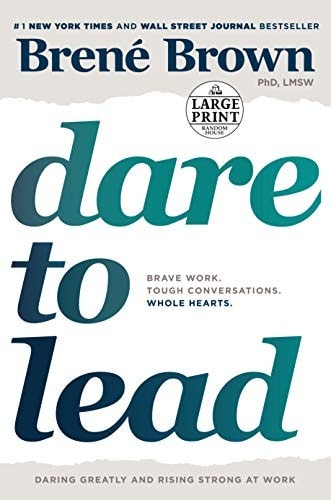
Brené Brown made her name tackling difficult subjects such as courage and shame. This book picks out many qualities that have helped me question my own leadership and become a better leader, without hiding and by being more open.
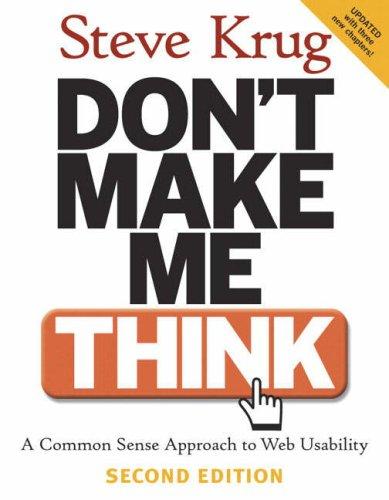
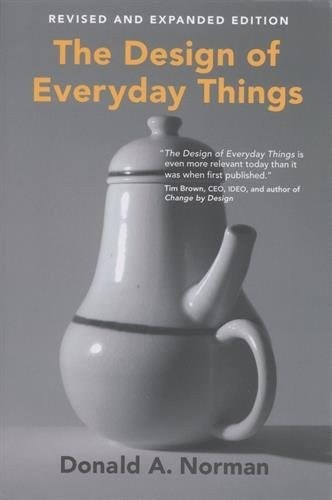
Perhaps the only other book I've come close to reading in one sitting. I found it in a room at home and sat and read it all afternoon. It's still one of the best books when you're designing anything. It's written for the web, and some examples will be dated, but the ideas about the importance of doing your research with other people, and understanding that they won't necessarily think like you do, mean I still recommend it to anyone building software.
Mentioned in
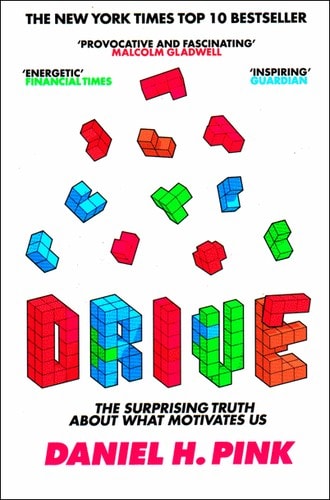
Drive includes one of my favourite frameworks, which has helped me enormously at work: autonomy, mastery and purpose. Pink has written many books, but this one covers much of what motivates us. There's a famous illustrated TED talk he did that I highly recommend, and the autonomy, mastery and purpose framework alone makes the book worth reading.
OK, I'm biased. This book's by my dad. Nonetheless, it's a brilliant, readable and interesting account of Einstein, relativity, the development of the atomic bomb and so much more, packed with history, photos and clear explanations. It's a wonderful book.
Mentioned in
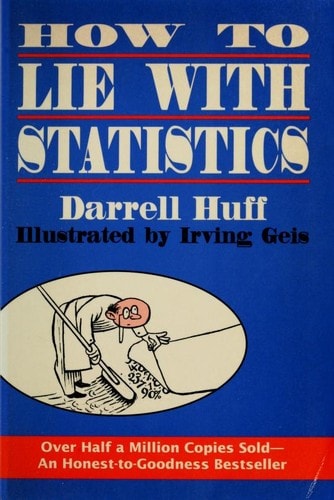
This is a fun little book that teaches you to question the data you see. It digs into the ways people misrepresent figures you think you understand, like averages, and distort charts and graphs. Most of all, it encourages you to question who's behind the data you're seeing and what they want you to learn from it.
Mentioned in
John Muir has undergone a re-evaluation in recent times, but I loved this first-hand account of his summer in California's Sierra Nevada mountains, often alone in the wilderness. His joy in nature and what it can teach us were wonderful to read.
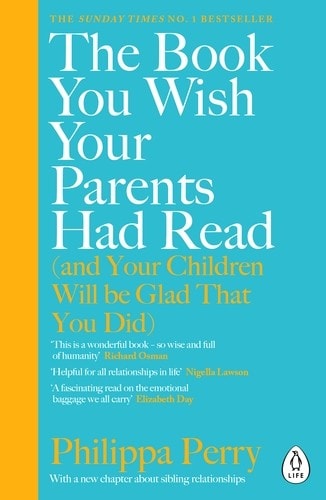
Philippa Perry's books are full of insights into your own behaviour and that of others. They always get me thinking and help me reflect on myself and my relationships.
Mentioned in
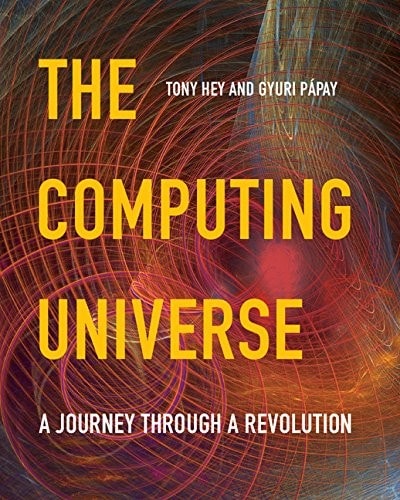
I'm biased because this is by my Dad. But if you've ever been intrigued by how all the tiny components somehow make a computer, this book is a brilliant tour from the basics through the ideas and history behind modern computing.
Mentioned in
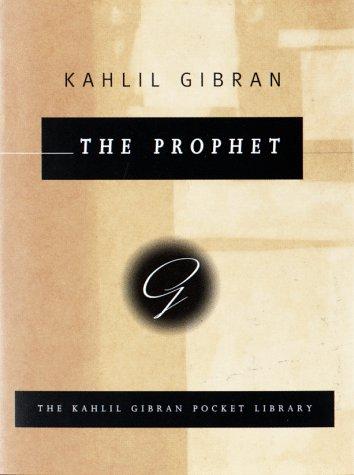
Kahlil Gibran's books are full of beauty and wisdom and this one is no exception. We chose a passage from this book as a reading at our wedding.
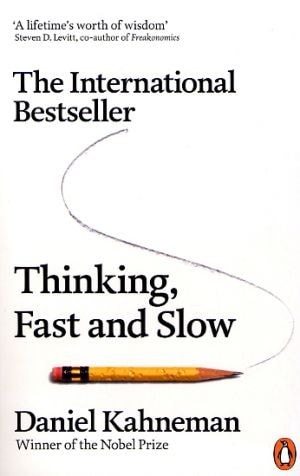
A dense book, but what a privilege to read the summary of an entire career of research by one of the founders of behavioural science.
Mentioned in
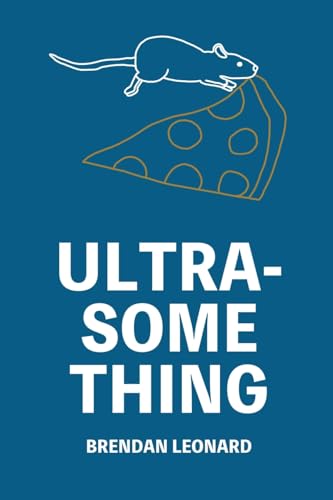
Brendan Leonard is an ultra-runner and creative and funny writer. He dives into what makes us take on crazy challenges, not just in running, sharing hilarious and insightful stories along the way.
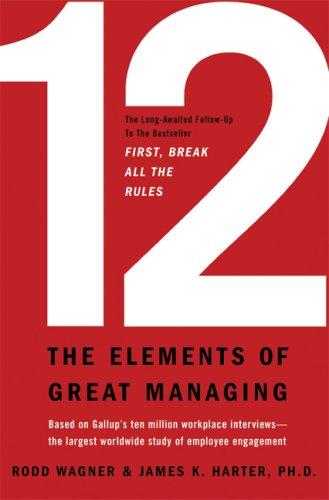
I had a printout of the twelve elements that I kept stuck in my work notebooks at all times. Whenever I wondered why somebody (including me) might not be happy at work, or how I could be a better leader, the twelve elements gave me something helpful and practical to try.
Mentioned in
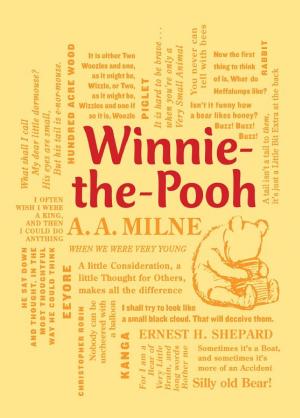
Yes, they're children's stories, but they're full of surprising, joyful wisdom throughout. Beautifully illustrated, and a joy to listen to as an adult or a child.
Mentioned in
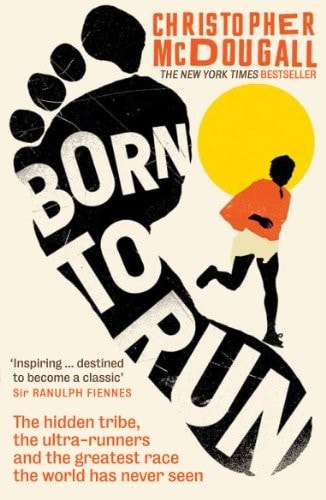
It's almost impossible to read this book and not be tempted to go out for a run.
Mentioned in
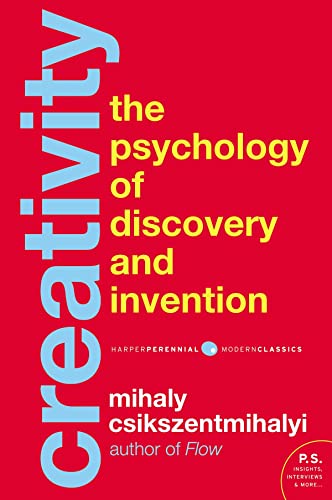
Few people knew more about happiness and creativity than Mihaly Csikszentmihalyi. One idea I particularly loved from this book was the contradictory traits of creative personalities. Plenty of inspiration throughout.
Mentioned in
All of Edward Tufte's books are beautiful objects, and this one is no exception. Tufte strongly influenced my ideas about presenting information visually, many of which I hope I've put into practice with Sketchplanations.
Mentioned in
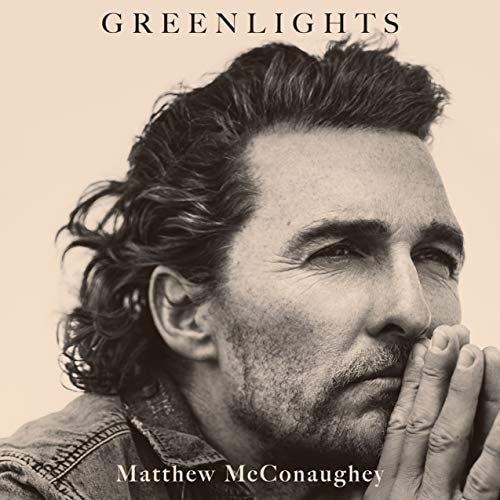
I strongly recommend the audiobook, read by Matthew himself. It's like no other audiobook I've encountered.
Mentioned in
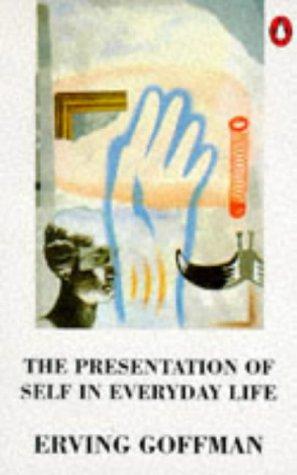
I can understand why some people might read this book as manipulative or insincere. But I found it gave me lots to think about in my interactions with others, and helped me reflect on how I approach them.

More books
It's impossible to be a parent and not consider the impact technology will have on our children. The Amazing Generation is a valuable and approachable read that can help steer both you and them.
Mentioned in

Mentioned in
Mentioned in
Mentioned in
Richard Hamming gave one of my favourite talks, "You and Your Research", at Bell Labs. This book brings together much of his insightful thinking about how science works, the importance of knowing your stuff and what you can do when you do. It mixes technical content with ideas that can help you re-examine your own work.
Mentioned in
Mentioned in
I listened to the audiobook read by Ben Kingsley. A long but intriguing and genuinely remarkable story. It came recommended by Steve Jobs.
Mentioned in
I haven't read too many books specifically about running, but this has the best chapter I know on thinking about your stride. It includes a number of exercises you can do while running to check your form, posture and gait, and make sure you're running as well as you can.
If you want the canonical reference for collective nouns, this is it.
Mentioned in
Mentioned in
Mentioned in
Mentioned in
Mentioned in
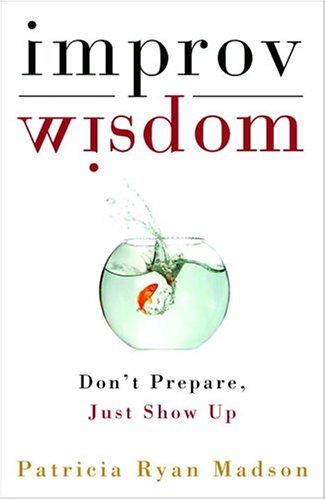
I think improv has a lot to teach us about living full lives. Improv Wisdom is a fun account that mixes life lessons and exercises from improv with Patricia's personal improv story. If you're intrigued by improv, it's a nice, easy way in, with plenty to learn.
Mentioned in
Mentioned in
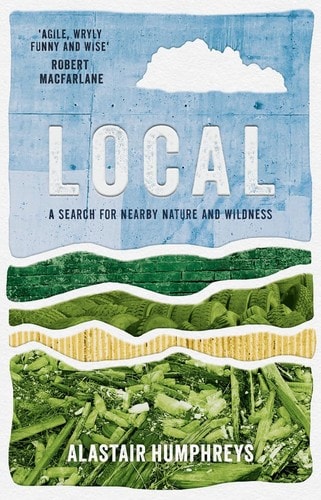
Al Humphreys is a wonderful British author and adventurer. Local is just one of his books exploring how we can have adventures without needing to trek to the ends of the Earth. His other books, including Microadventures and the tales of his bicycle travels around the world, are all good reads.
Mentioned in
Mentioned in
Mentioned in
Mentioned in
Mentioned in
Mentioned in
Mentioned in
Mentioned in
Mentioned in
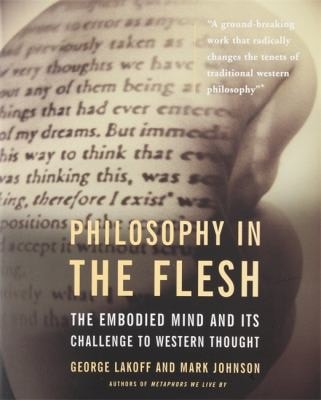
This is a deeper companion to Lakoff and Johnson's Metaphors We Live By. It goes into detail about so many of the metaphors that shape our thought. It's a big read, but it's also easy to dip into the sections where the authors lay out the structures of the metaphors that shape our thinking.
Mentioned in
Mentioned in
Mentioned in
Mentioned in
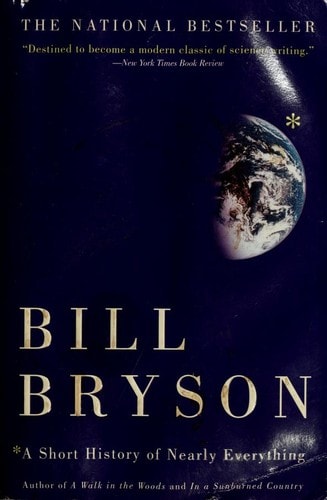
I knew Bill Bryson as a hilarious travel writer. Here he took on an almighty topic and taught me a whole lot of fascinating things.
Mentioned in
Mentioned in
Mentioned in
Mentioned in
Mentioned in