Sketchplanations
Subscribe
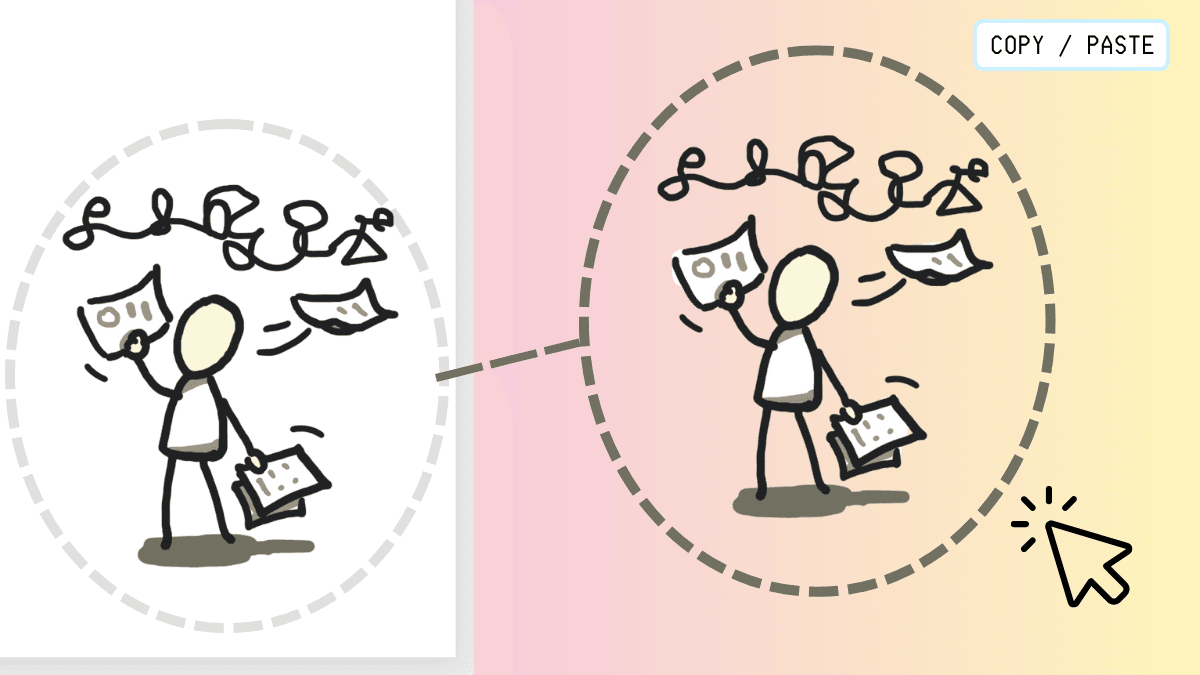
A slide with a hand-drawn Explainer Kit visual pasted in
Presenting something?
Sketchplanations podcast photo of Rob Bell, Tom Pellereau and Jono Hey
Prefer to listen?
🎉 Help keep Sketchplanations ad-free by supporting me

Design: ideas and frameworks explained

A collection of ideas, frameworks and techniques related to Design, explained clearly so they are easy to understand and share.

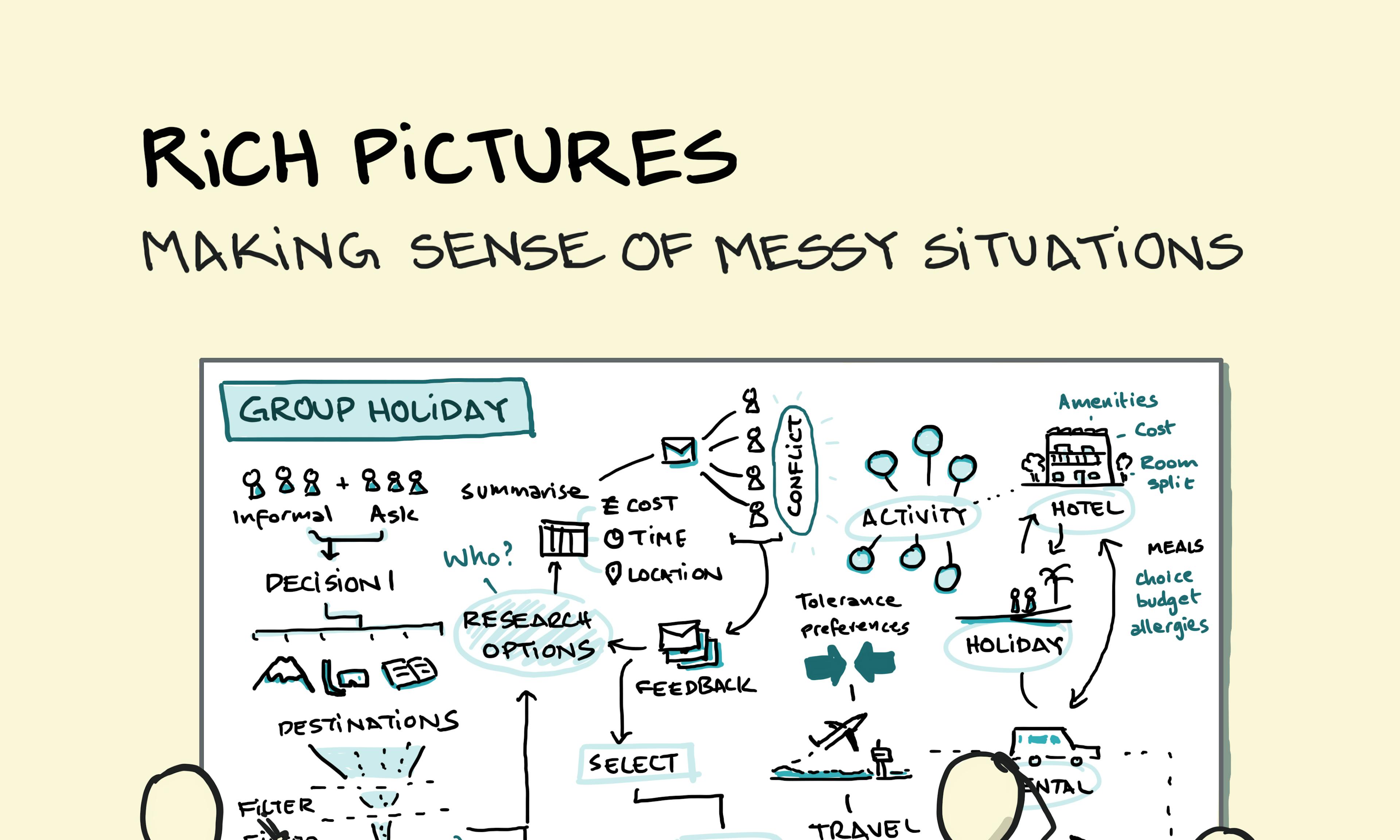
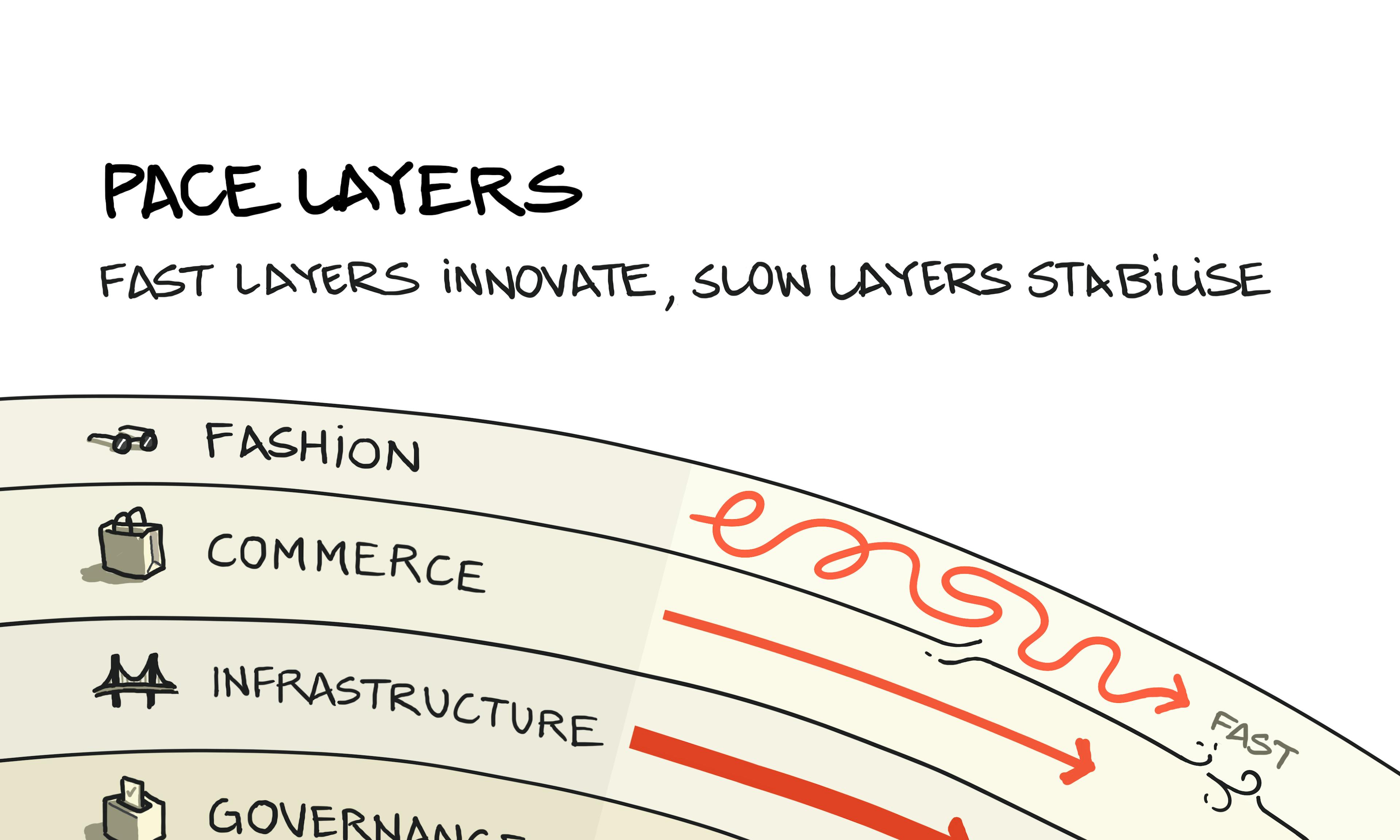
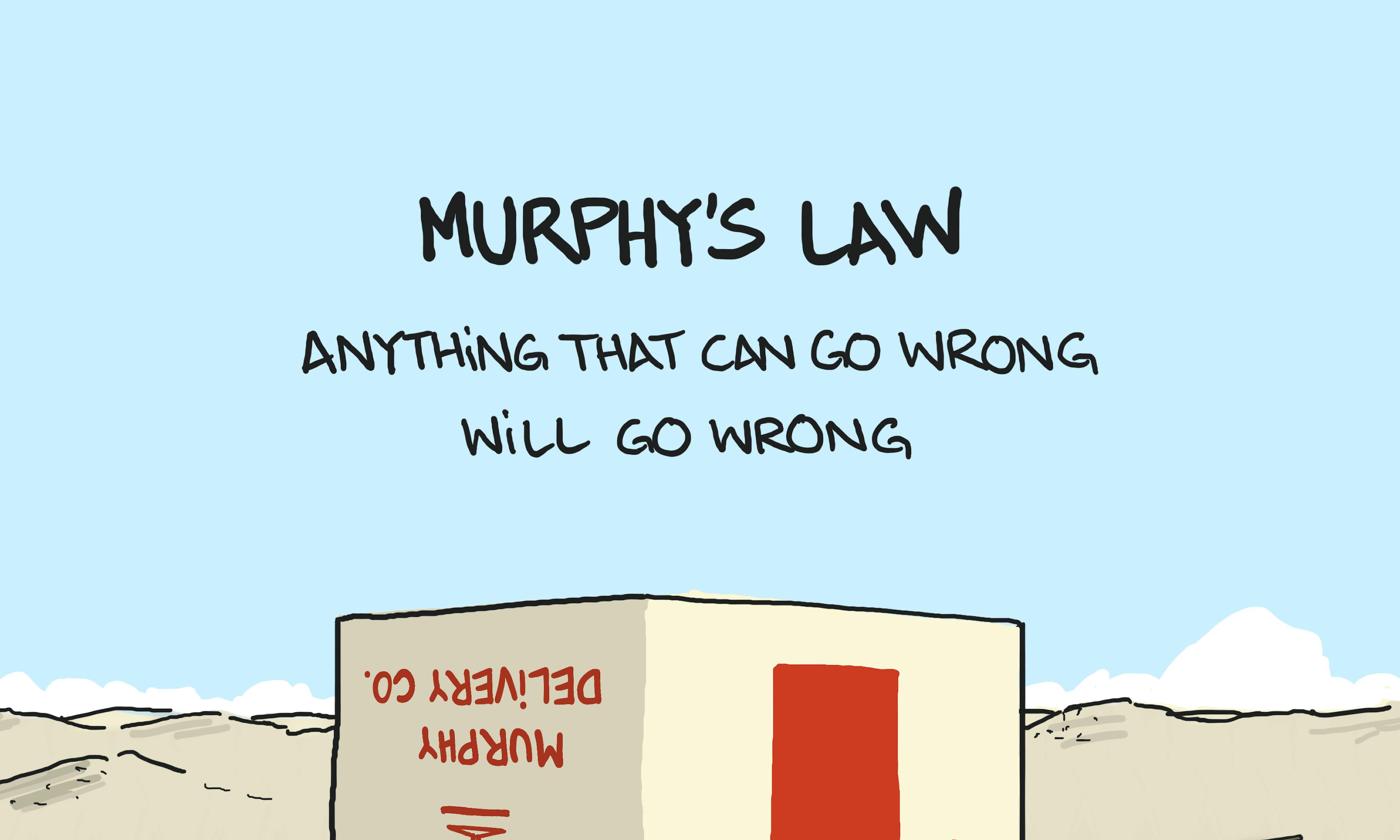
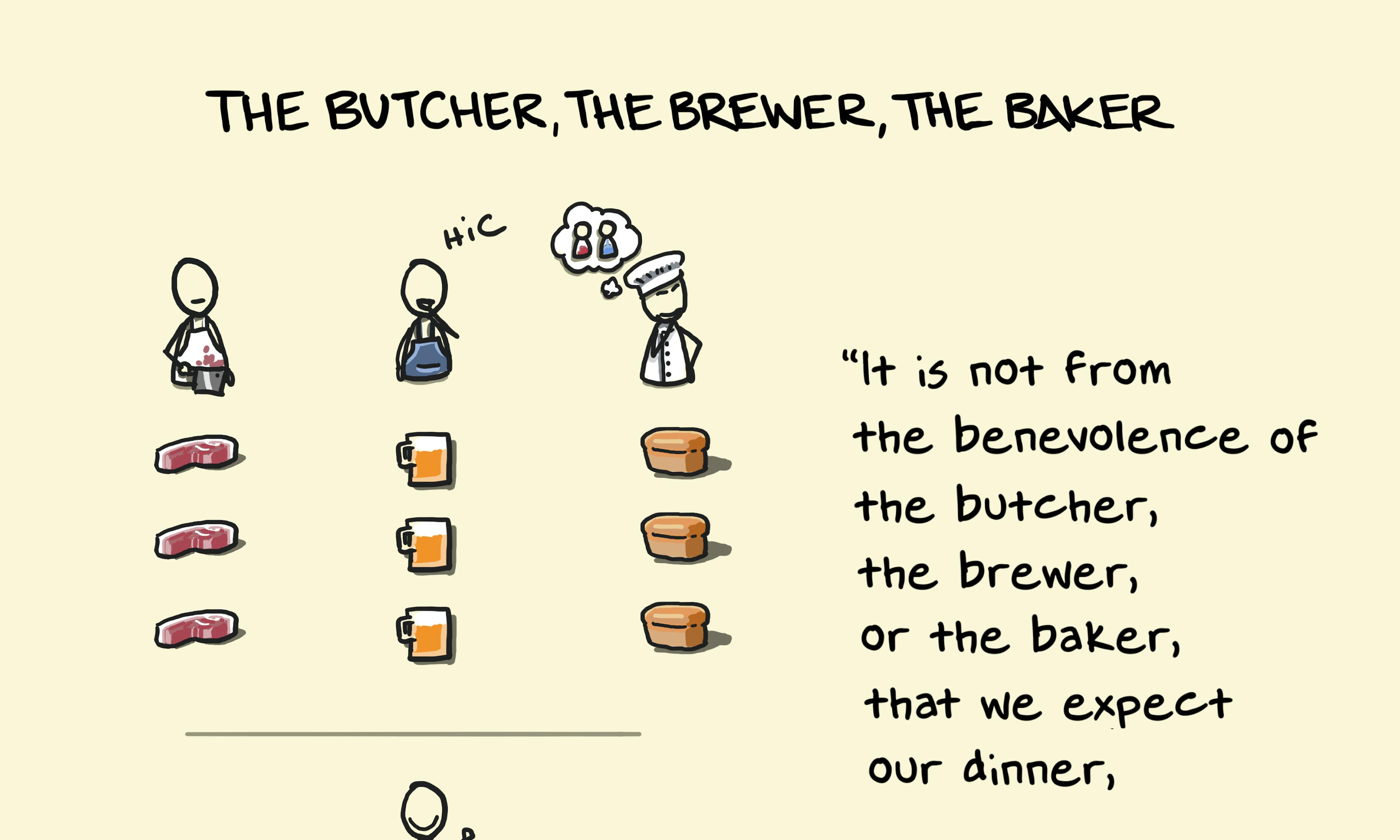
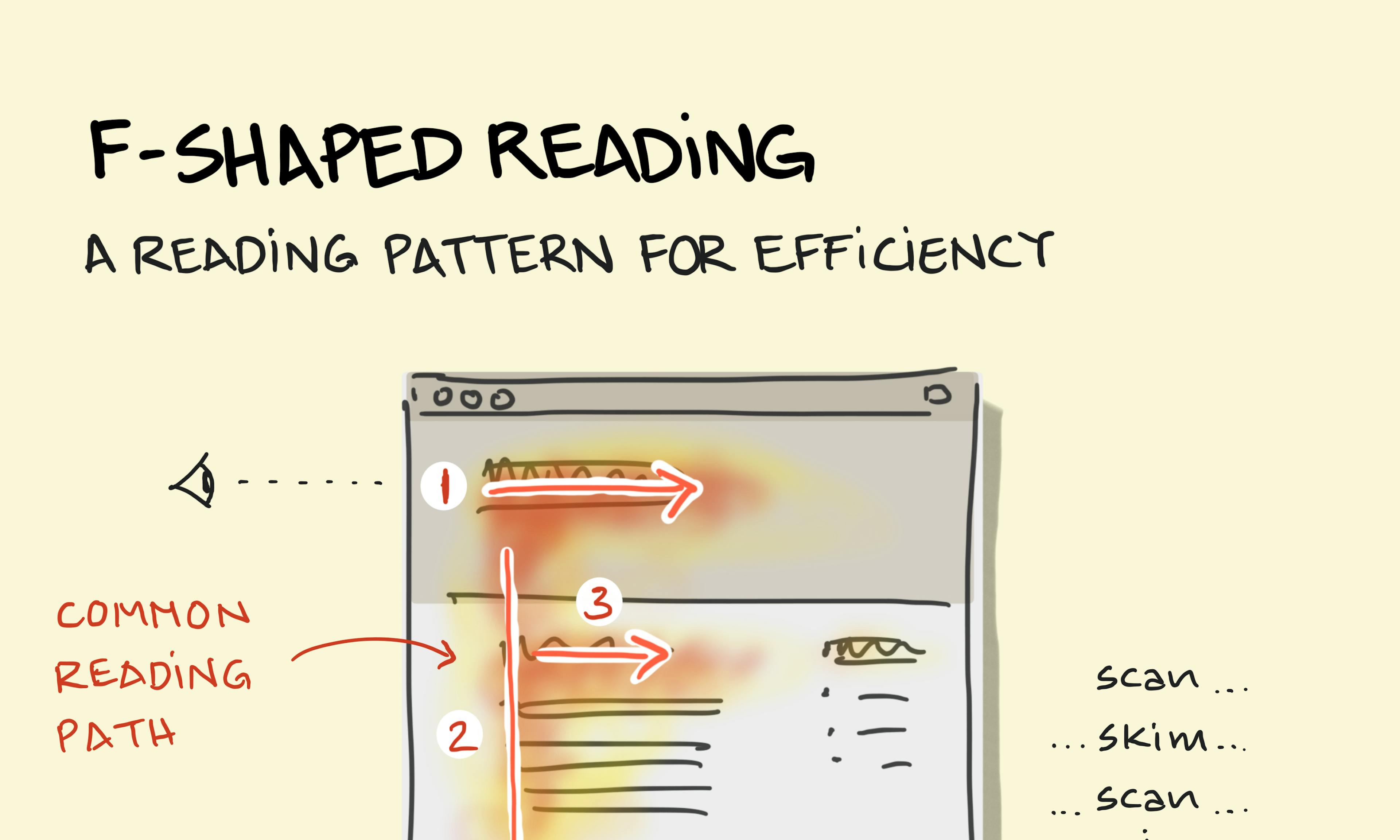
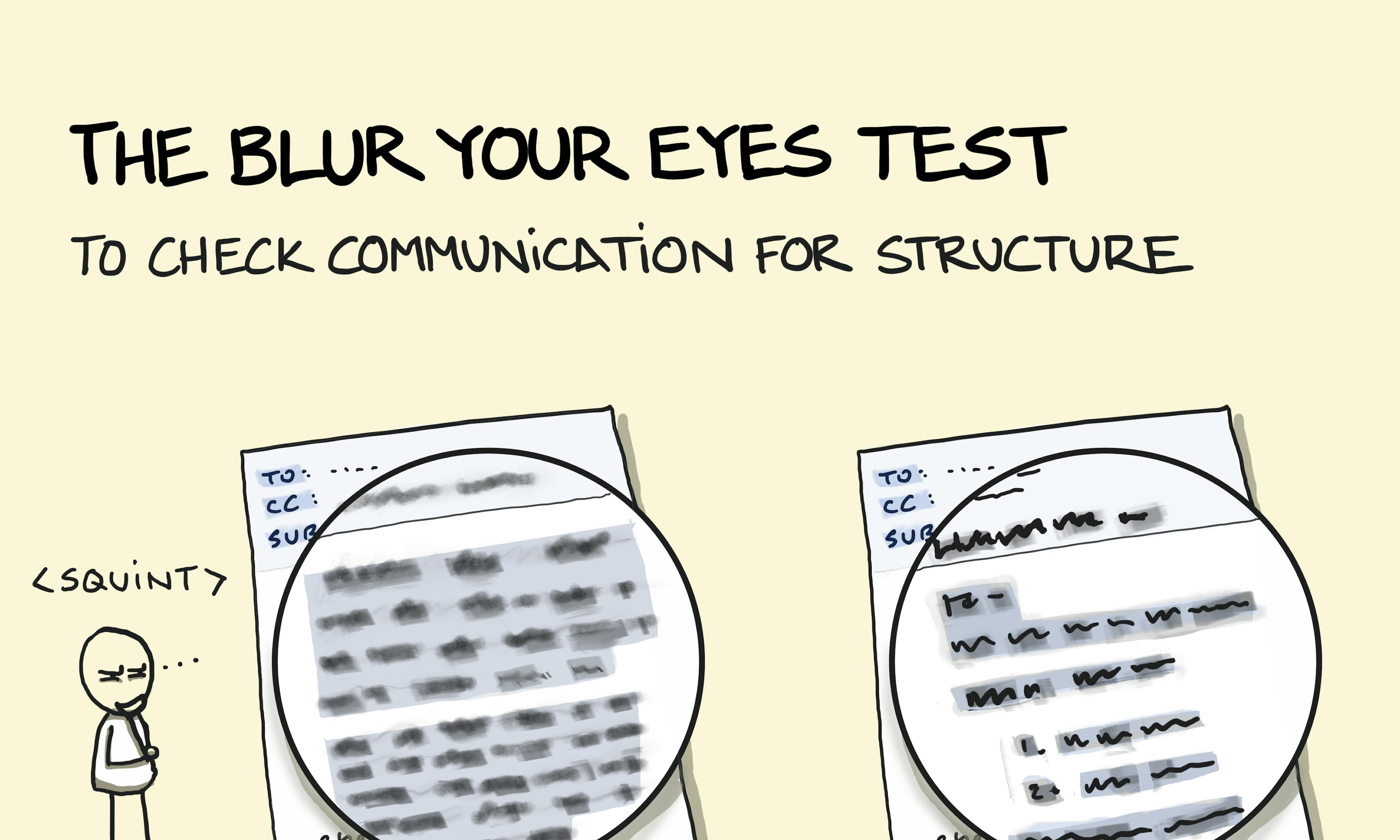
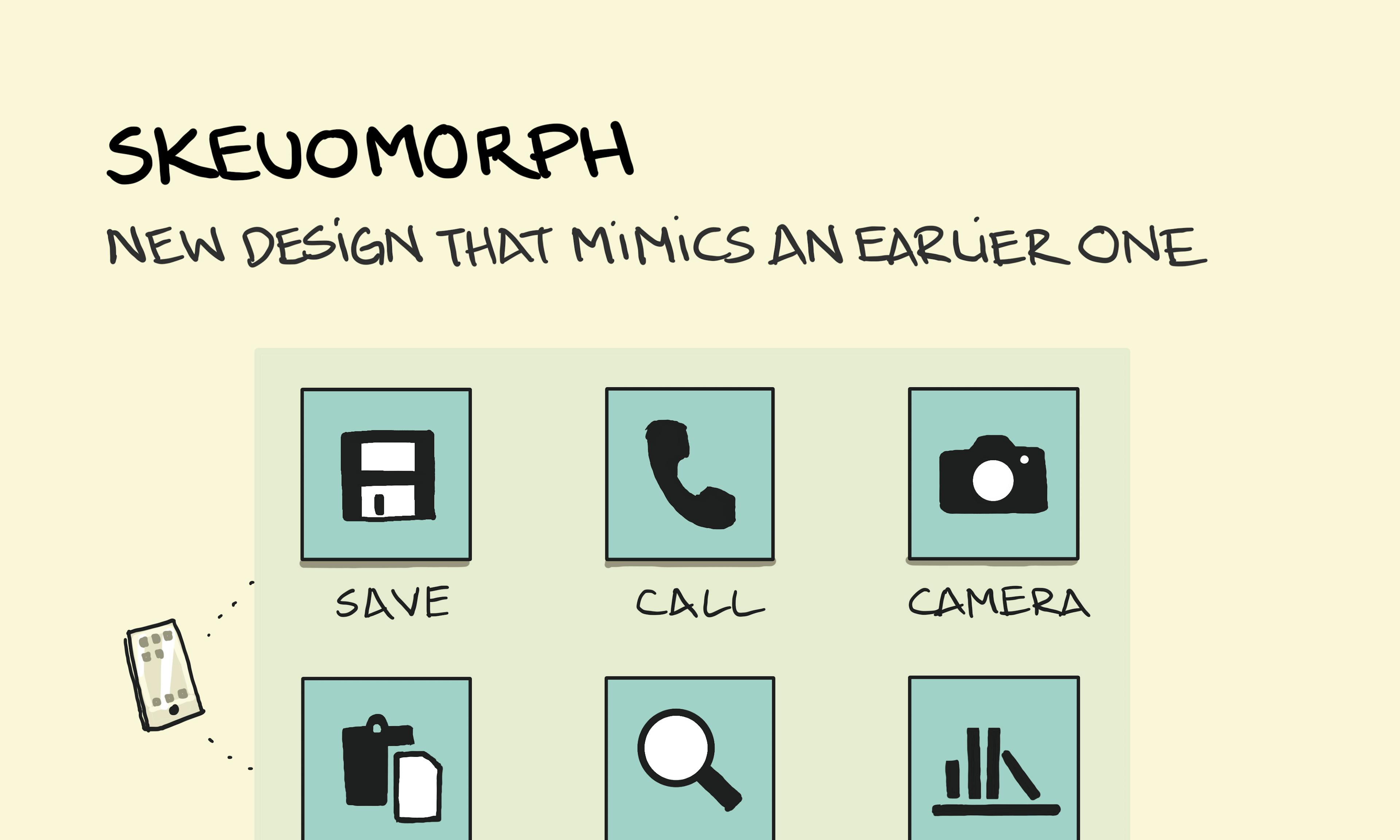
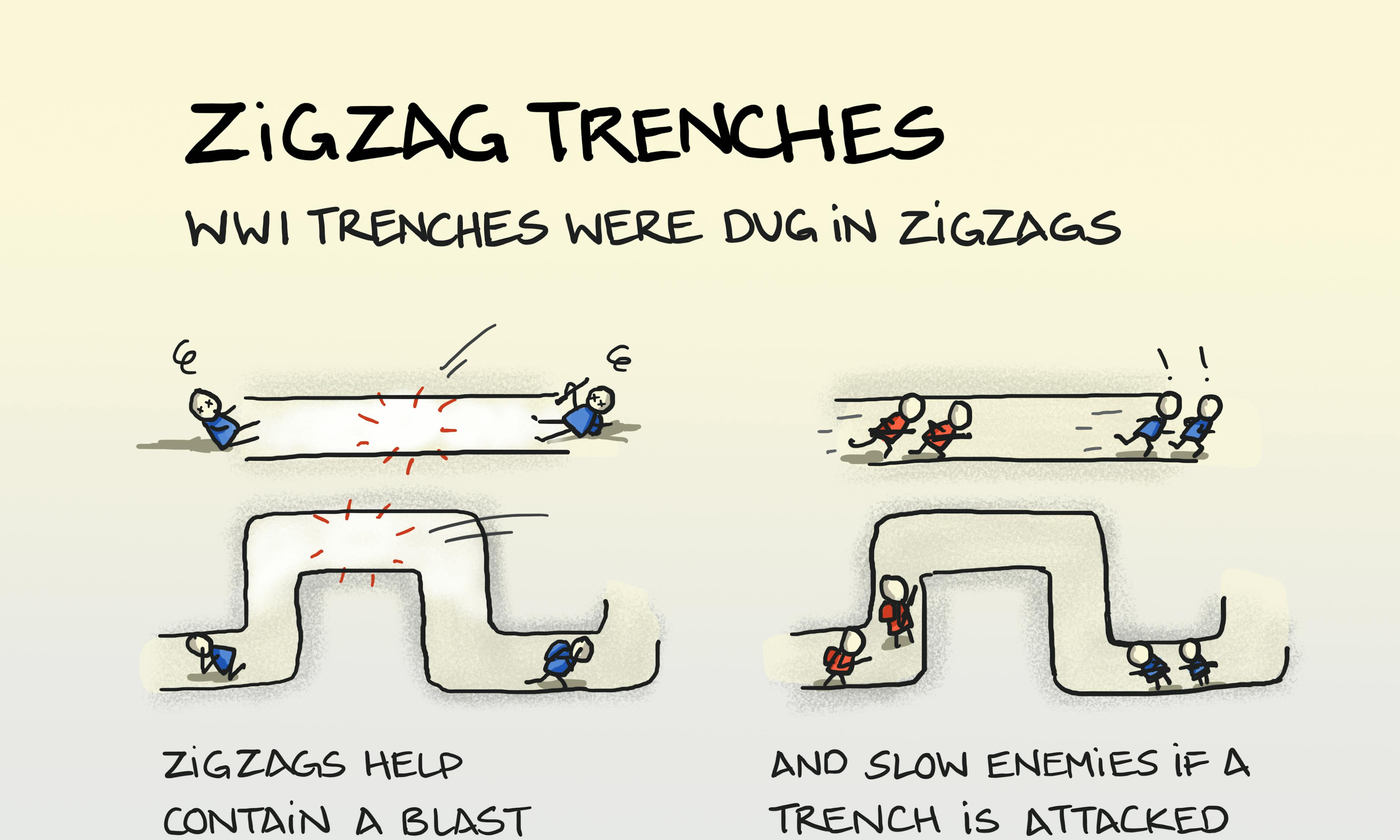
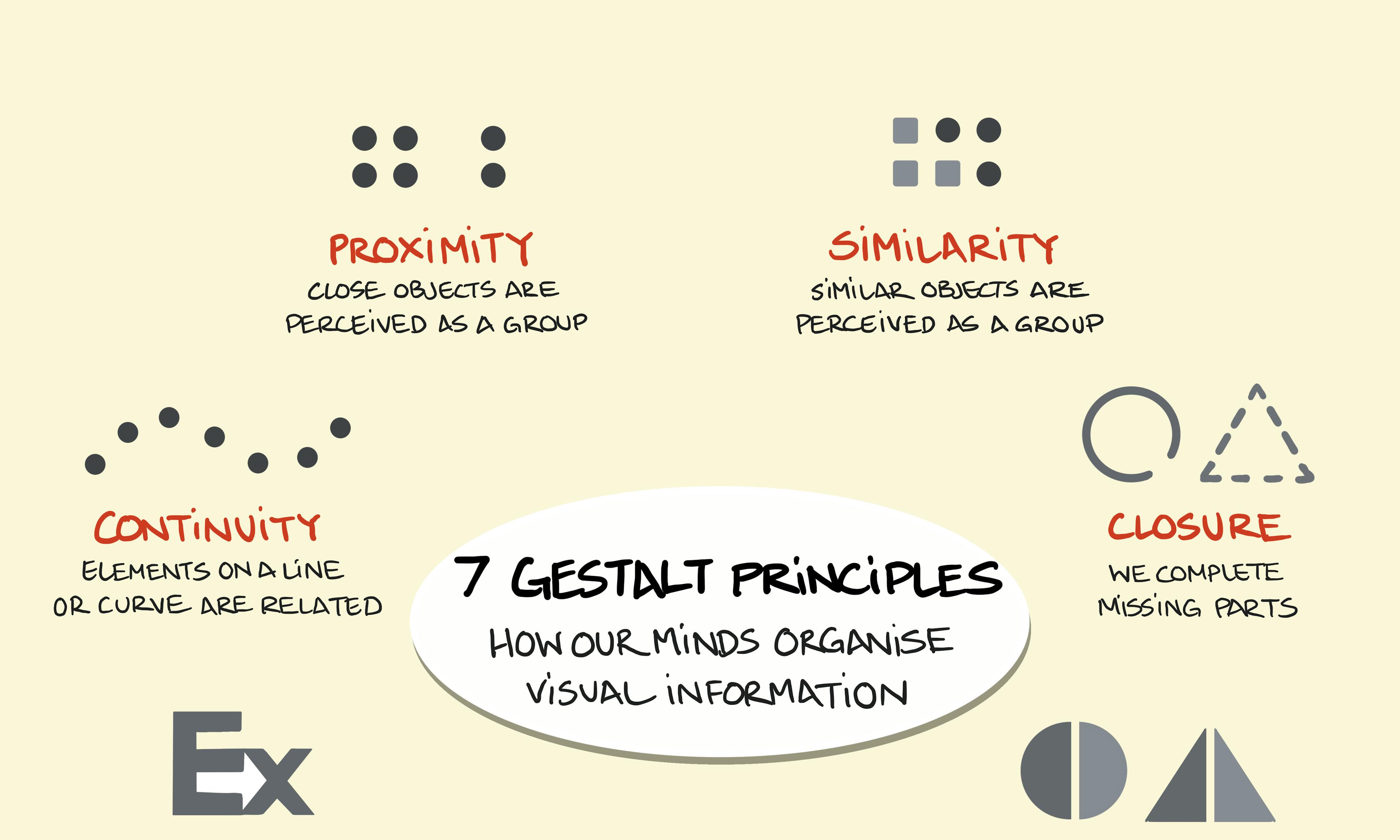
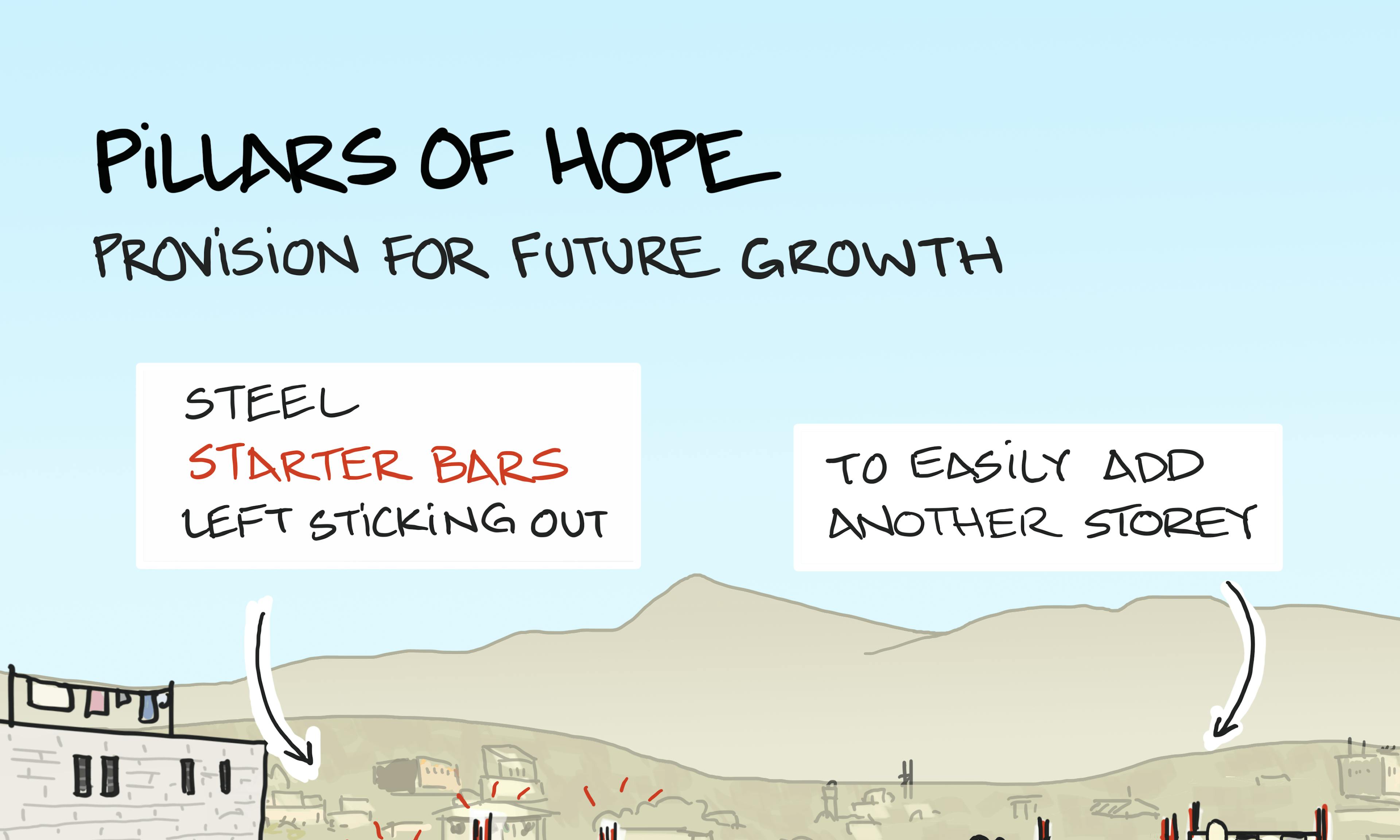
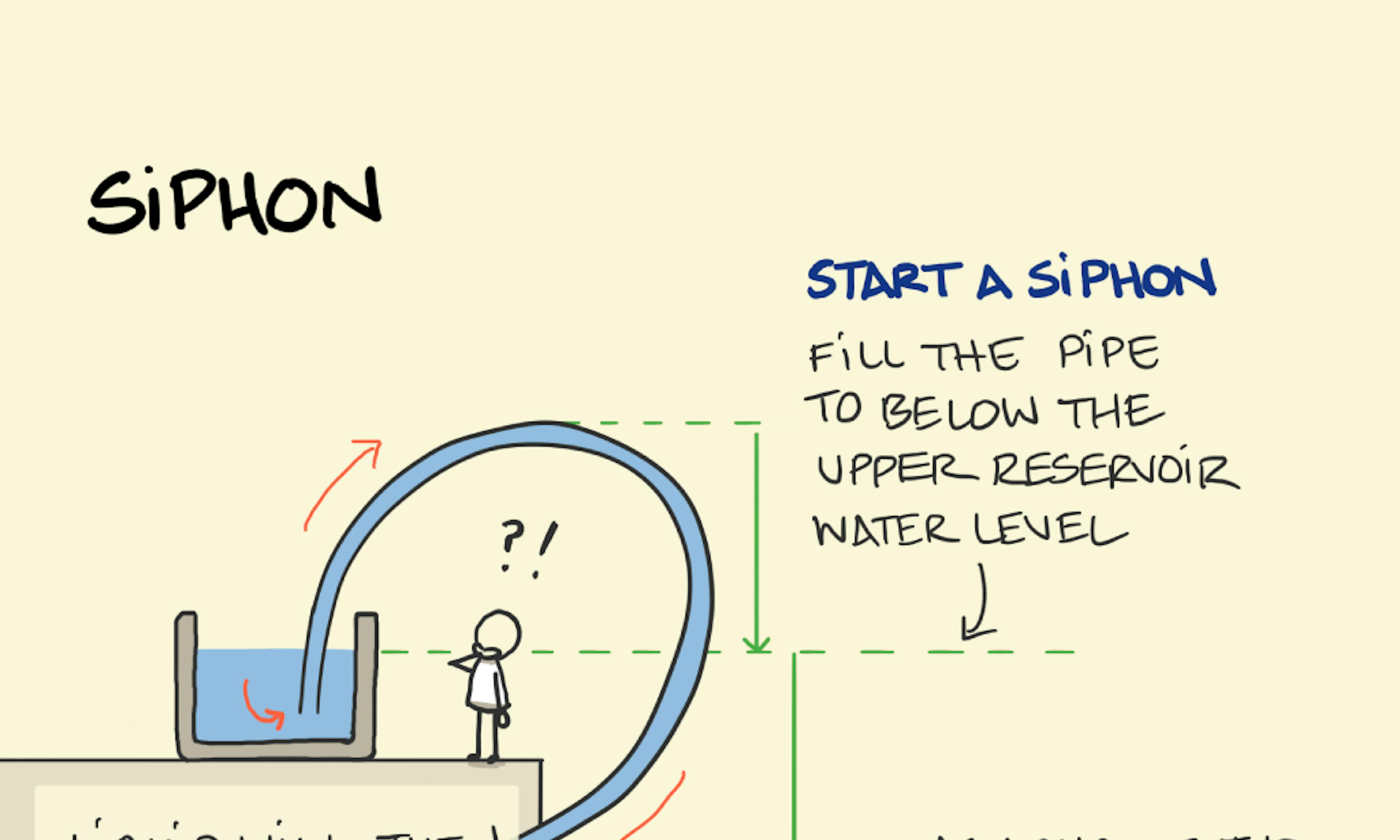
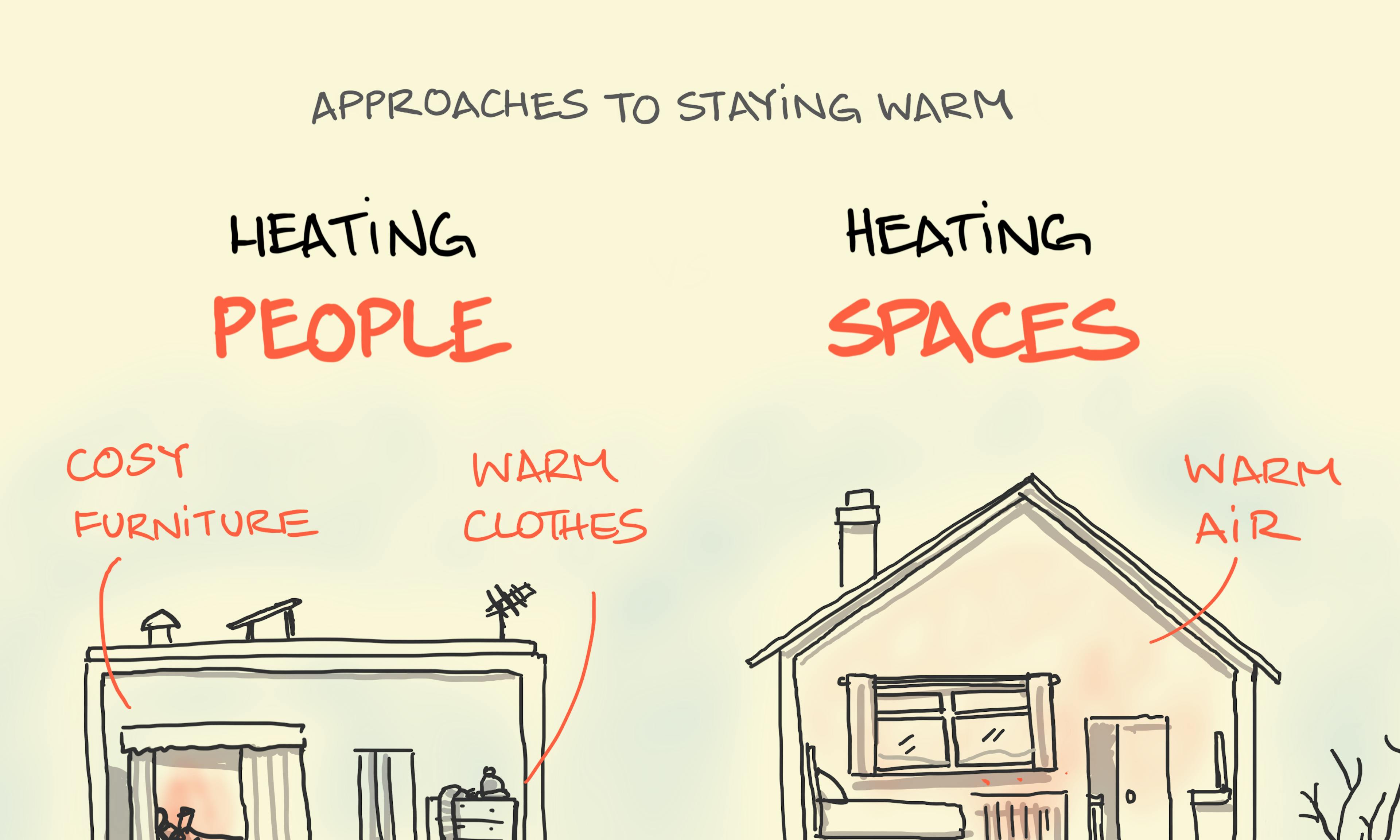
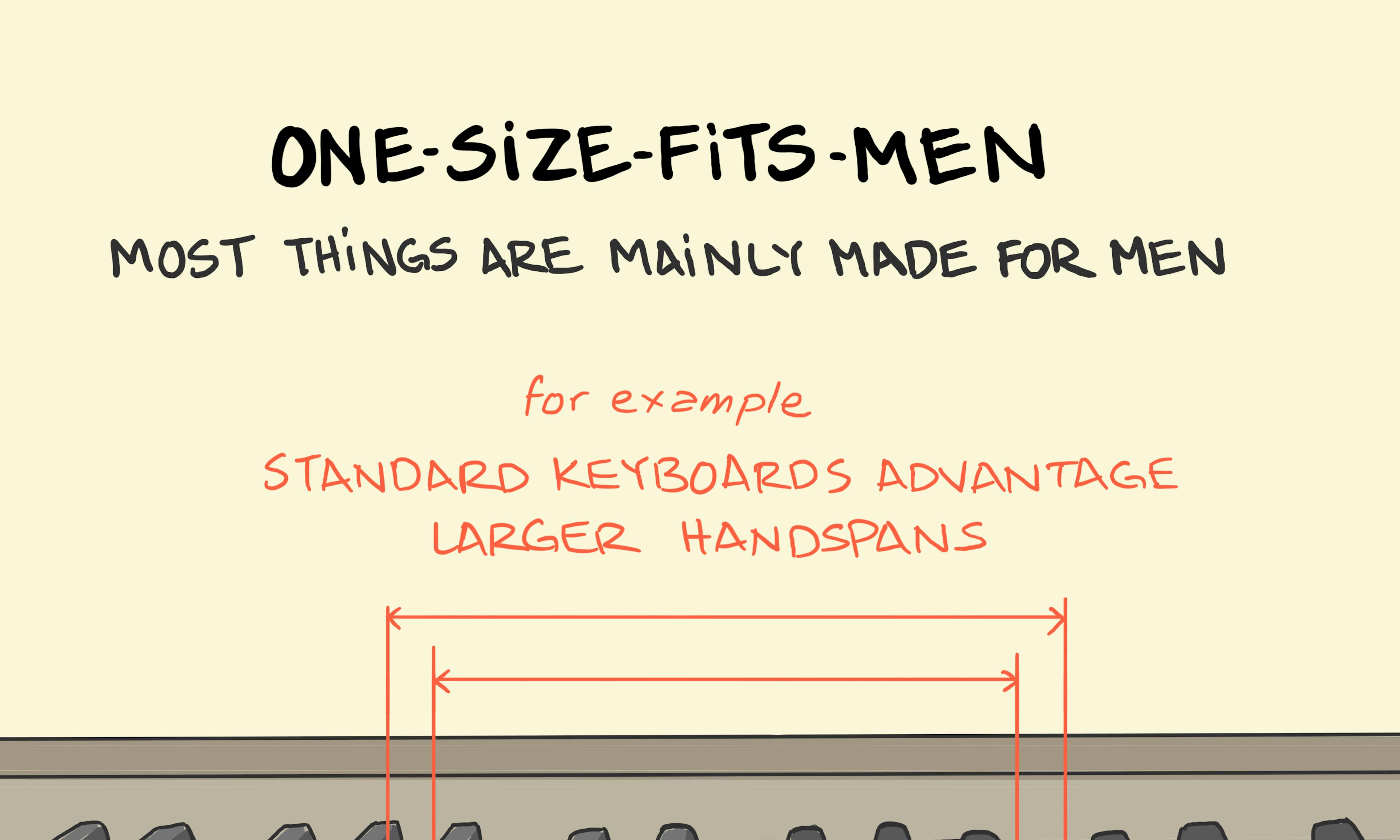
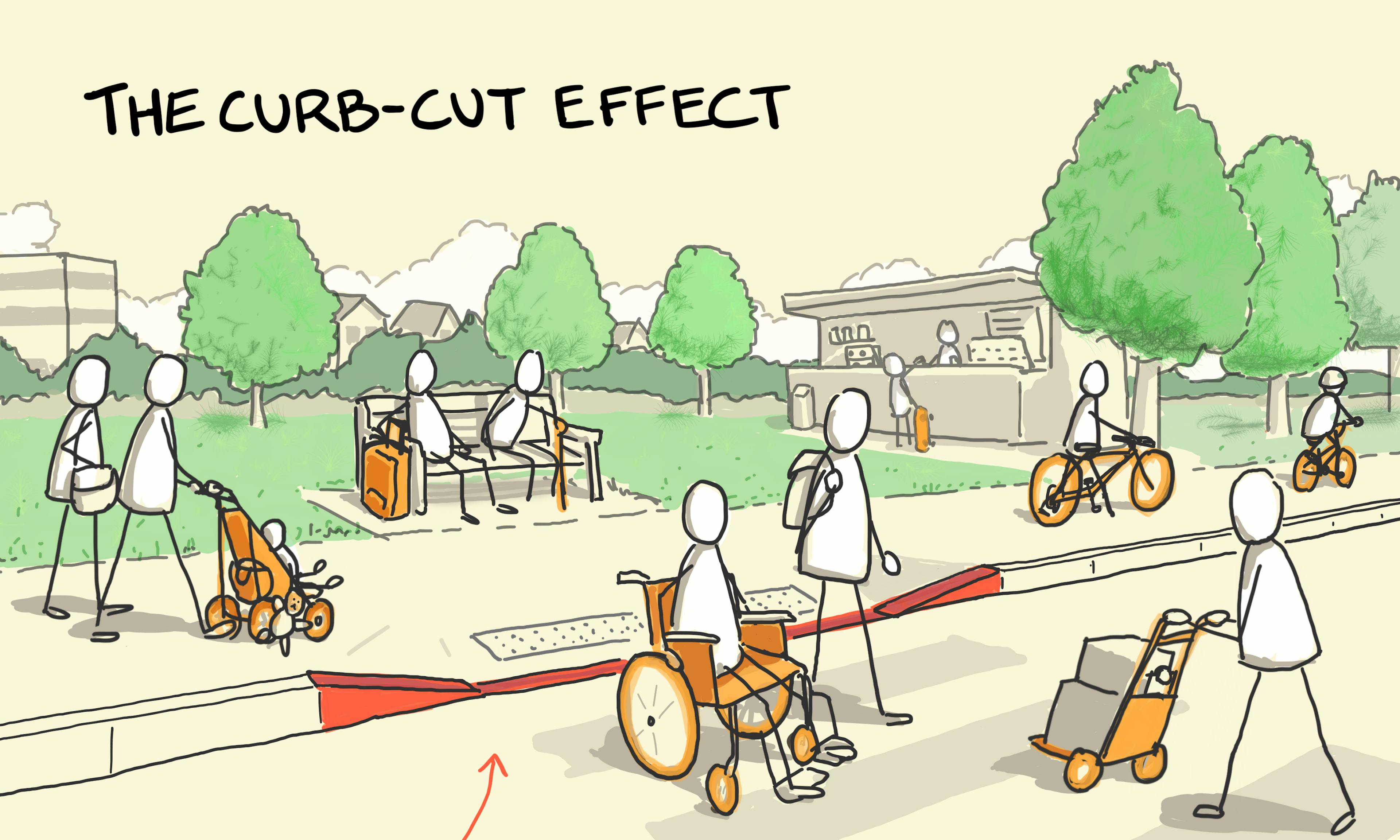
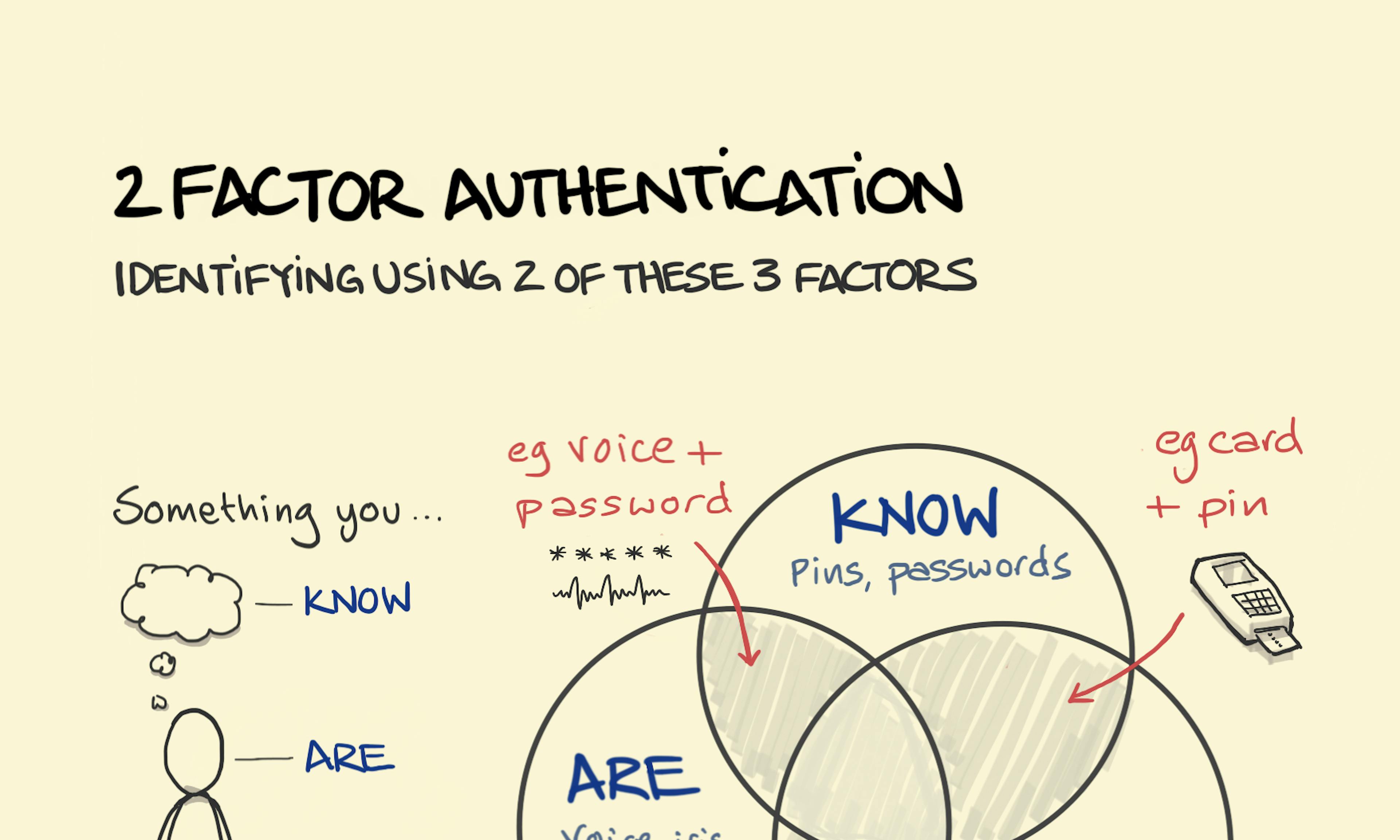
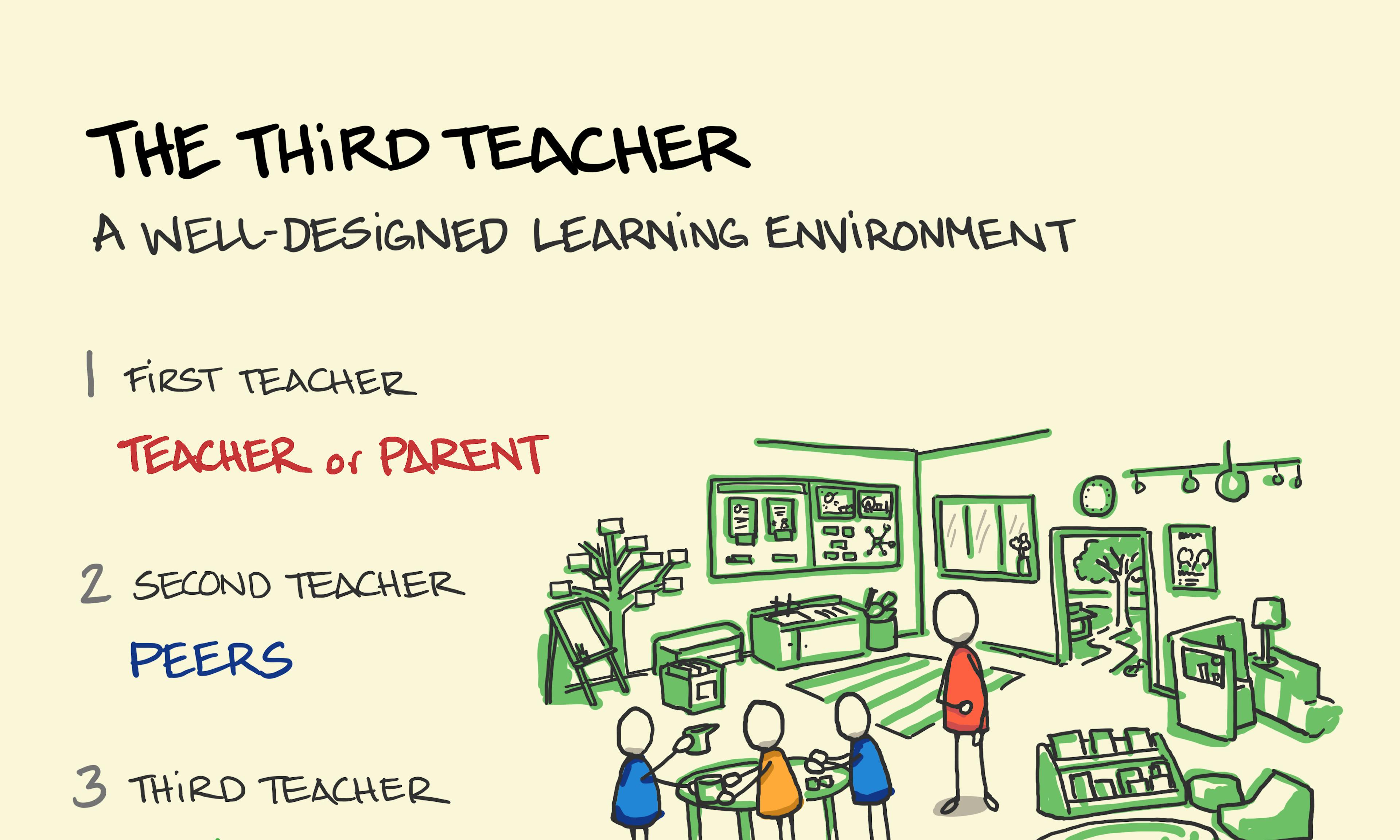
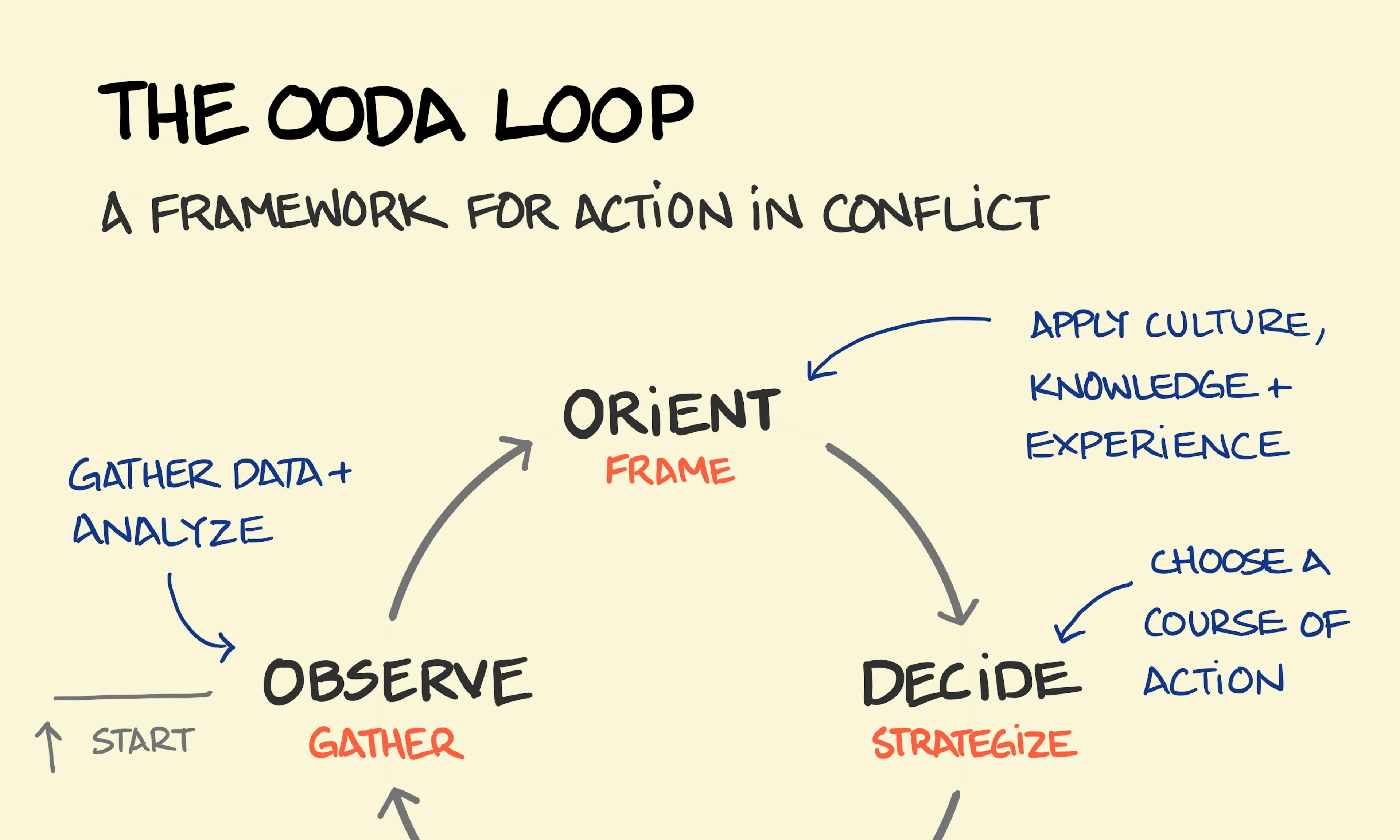
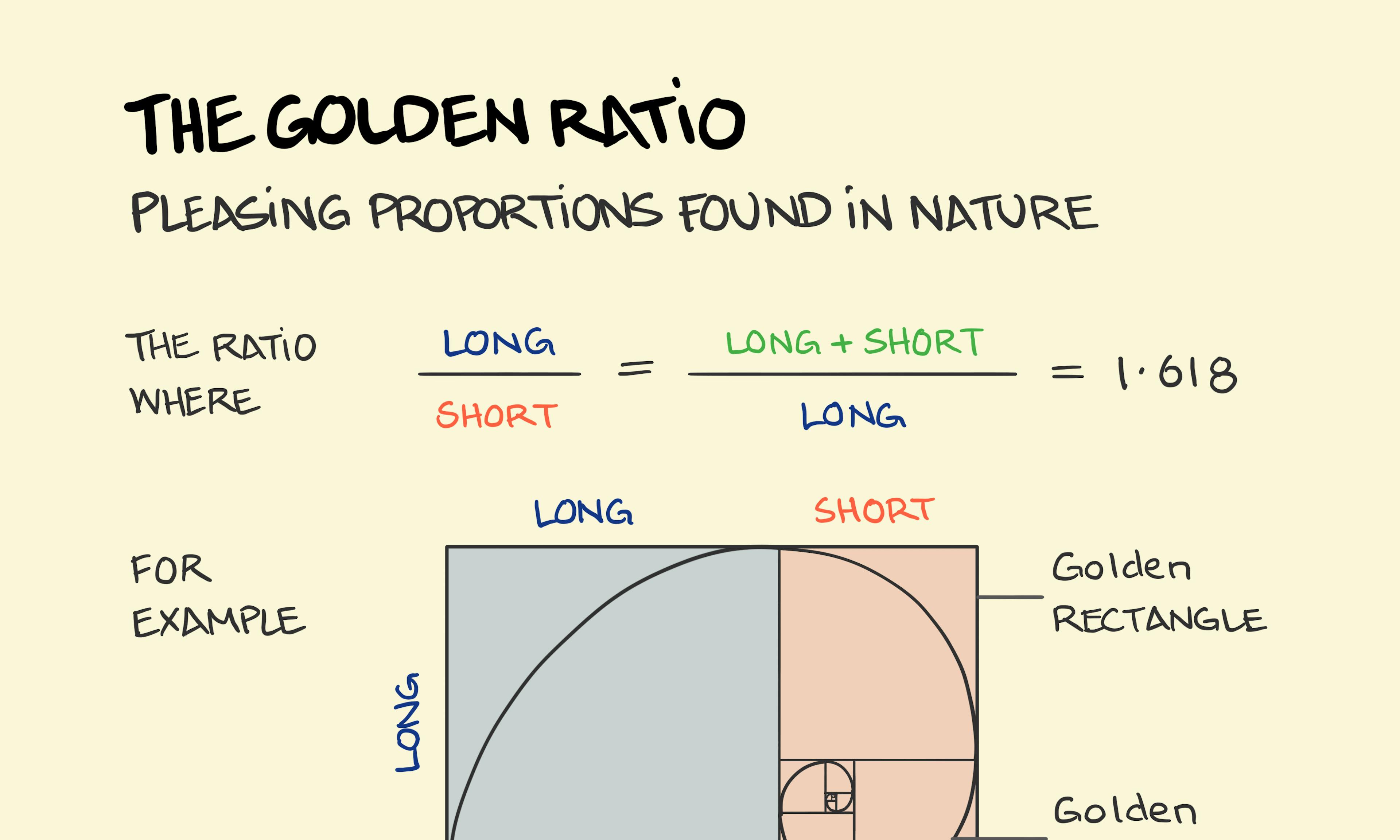
Progamming naming conventions for identifiers: camelCase, UpperCamelCase, kebab-case, snake_case, SCREAMING_SNAKE_CASECompound Naming Conventions in ProgrammingWhat makes a swimming pool fast and how is a fast pool different from a slow pool? Physical and psychological factors in swimming pool design to help swimmers swim fast and compete at their bestFast Pool, Slow PoolFront-load key words in lists and when writing for the web for clearer communication with a conference features exampleFront-load Key WordsWhat is diagonal billing in cinema, film credits, titles, and design? Example of Steve McQueen and Paul Newman from the Towering Inferno in a movie theatre. Also staggered billing.Diagonal Billing (or Staggered Billing)Apples and ideas quote (not) from George Bernard Shaw illustrated as a concept - giving an apple vs sharing an ideaApples and IdeasSpectrum of abstraction for finding and the essence of a symbol for communication and design. From realistic to abstract: symbols for love, death, excellence, awareness, and growth, as examples. Abstract-o-meter concept and heart example from Christoph NiemannSpectrum of AbstractionWhat is a rich picture diagram — a group of people sketching a rich picture about planning a group holiday, showing connected ideas, icons, and notes on a large whiteboard to visualise a complex situation.Rich Pictures: Making Sense of Complex ProblemsPace Layers diagram by Stewart Brand explained: fashion, commerce, infrastructure, governance,culture, nature. Fast layers innovate, slow layers stabilise.Pace Layers: Six layers of robust and adaptable civilisationsWhat is Murphy’s Law? Meaning and example shown by a giant box labeled “This Way Up” lying upside down showing "Anything that can go wrong will go wrong."Murphy's LawIllustration of Adam Smith’s quote about trade: “It is not from the benevolence of the butcher, the brewer, or the baker…” showing how self-interest leads to mutual benefit in trade and a tipsy baker.The Butcher, the Brewer, the Baker — Adam Smith quoteF-Shaped Reading of content on the web from eye-trackingF-Shaped ReadingWhat is the Blur Your Eyes Test for testing designs and communication for structure showing an example of little and clear structureThe Blur Your Eyes TestSkeuomorph meaning and examples with icons of floppy disks, phones and others for save and callSkeuomorphEponym examples, explanation and etymology explained in a sketch with Erno Rubik of the Rubik's Cube, the Jacuzzi brothers, the 4th Earl of Sandwich, László Biró, Etienne de Silhouette and Rudolf Diesel and his diesel engineEponymZigzag trenches in WWI: explaining why trenches were built in zigzags to protect against blasts from artillery and to slow enemies if a trench was attacked or capturedZigzag trenchesGestalt principles of visual perception showing proximity, similarity, continuity, closure, figure and ground, symmetry and order, and common fate.Gestalt principles of Visual PerceptionThe magic of open-air kitchens for Asian street food shown calling out each aspect that makes it such an ingenious set upThe street food open-air kitchenPillars of hope, steel starter bars or starter rods stick out of a house so that in the future it's easier to add an extra storeyPillars of hopeGreeble or greeblie illustration: showing a panel of buttons on a wall and a ship in a spaceport rather like the Millenium Falcom full of small elements that give detail and scaleGreebleAffordance illustration: one person effortlessly pushes open a door with a flat plate while a victim of poor design struggles to pull open a door with a bar handle and a discreet push signAffordanceBlending buildings illustratiion: example of two large distribution warehouses one coloured in greens to blend better into countryside, and one in shades of blue to blend better into the sky.Blending buildingsDesign by committee illustration: A person demonstrates a camel as the solution to all the requirements for Horse 2.0Design by committeeDark patterns: using design to deceive, like hiding the 'I don't need insurance' option in the country list rather than as its own optionDark patternsThe isolation effect: remembering better what stands out from a set of otherwise like items in a set. Also known as the Von Restorff effectThe isolation effectRead-Do and Do-Confirm checklists illustration: examples of a Dinner party fail and an Expedition checklistTwo types of checklists: Read-Do, Do-ConfirmSiphon illustration: how a siphon works draining a reservoir by running a water uphill, unaided, until it empties into a lower reservoir.SiphonCake wreck: a cake where instructions for the cake—"Happy birthday in purple, no nuts"—have been smartly written across the front. Intended as a metaphor for literal misinterpretation.Cake wreckFeedback fear illustration: A poor soul goes through all sorts of internal doubts about what they might have done wrong and how they might have failed when someone gives a friendly suggestion to ask what others thinkFeedback fearExamples of a ghost grid: a lightly dotted grid, and a grid of ghostly houses so that extension options can clearly be seenGhost gridThe bus factor summary - A poor soul squashed by a bus lamented because they were the only one who knew the passwordBus factorTwo houses showing different approaches to heating: heating people and heating spacesHeating people, heating spacesA spider constructing a common orb spider webA common orb spider webThe first draft is always perfect: A person creating multiple drafts of a sketch before reaching the one that hangs on the wallThe first draft is always perfectHappy Talk Must Die example: explained with an example web page with lots of useless happy talk and a person thinking blah blah as they look for the payments buttonHappy talk must dieOne-size-fits-men summary: Piano keyboard showing different handspan widths and that standard keyboards advantage larger handspansOne-size-fits-menFor want of a nail poem: from the shoe, to the rider, the battle and the kingdom it's all lost because that fellow dropped the nailFor want of a nailFeatures are like pets illustration: a series of images shows different practical roles and responsibilities involved with owning a pet dog, compared with a solo image of how simple and rewarding one might imagine it to be - all presented as a simile for the time, effort and cost involved in developing new software features.Features are like petsBy Monkeys writing principle explained: on the left, representing passive communication, a group of monkeys climb all over a typical office work station causing havoc; seemingly without much productivity. On the right, representing active communication, a diligent worker sets to fixing a software bug. There's no sign of those pesky monkeys. By monkeysThe curb-cut effect: A range of people of all ages next to a crossing, road, and park show how the curb cut design for disabilities benefits everyoneThe curb-cut effectReplicate, then Innovate illustration: inspired by seeing a peer present their decorative star, a young creative sets to; making lots of stars in different styles and sizes, seemingly without any plan in mind. Some are hung up on the wall, some coloured in, some combined with other shapes, until a large, multi-coloured, multi-layered star decoration comes together and hangs majestically from 2 hooks. The young creative seems pleased with themself. Replicate then innovateForcing functions in design - 2 examples: a hotel room with the lights controlled by key card and a lawnmower that needs both hands to turn it onForcing function — designLego faces are awesome: a comparison of the expressions on Lego faces from the Lego Movie 2 with one from the 1980sLEGO facesChindogu example: A t-shirt with a labelled grid on the back could be a useful tool to guide someone to the exact coordinates you'd like your back scratched. ChindoguThe Data Prison illustration: shows 2 tables with identical data describing a schedule of work and fun for every day of the week. The "imprisoned" data in the table on the left is separated by lines in a grid. The "freed" data in the table on the right has no lines, and instead uses shading and spacing.The data prisonWhat is the thesis–antithesis–synthesis model, sometimes erroneously called Hegel’s dialectic? A sketch showing an example for a new idea (thesis), an opposing reaction (antithesis), and the tension resolving into a synthesis that becomes the start of a new idea.Thesis, antithesis, synthesisProxemics illustration: inside a large cathedral we see opposite ends of the proxemics scale; a family whisper to each other as they walk around the cavernous main hall and someone else gives confession inside a tiny booth. ProxemicsWhat is Human Risk example: an enormous line of Mongol soldiers easily march through an open gate in the Great Wall of China as the two bribed guards take a nap. Human riskWhat is 2 factor authentication (2FA) and its meaning: using something you know, something you are, and something you haveWhat is Two-Factor Authentication (2FA)?Conway's law showing how the organisation of a company, as small, distributed teams or large colocated teams can reflect the architecture of the software as modular or monolithicConway’s LawThe Kitchen Working Triangle illustration: a plan view of a kitchen is shown with the distances between commonly related appliances and storage highlighted. The kitchen working triangleThe meaning of the third teacher as the environment from Reggio Emilia together with teachers/parents and peersThe Environment as the Third Teacher in Early Childhood and BeyondWhat is the OODA Loop example explained: military strategist John Boyd's framework for action in conflict is shown as a closed loop cycle of Orient, Decide, Act, Observe and back to the beginning. The cycle also applies to business when you reconsider the points on the cycle as Frame, Strategize, Test, Gather. OODA LoopWhat is The golden circle from Simon Sinek example explained: illustrated with the start with why circles, and Martin Luther King and the "I have a dream," not the "I have a plan," speechThe golden circleThe 60-30-10 color rule for a simple and effective color scheme using accent (10%) supporting (30%) and base (60%) — like a suit with a tie.60-30-10 Colour ruleThe customer value chain illustration: a concave up, decreasing line graph shows the different elements of competitive advantage at play as a new product or market evolves over time. The customer value chainWhat is MOSCOW Prioritisation with example: Must, Should, Could, WouldMOSCOW PrioritisationWhat is the golden ratio explained and the golden spiral and the golden ratio in faces, art, nature, architecture and how to calculate itThe Golden Ratio: Nature's Perfect ProportionsWhat is a technology S Curve with an example explained in a sketchThe S-curveA cheetah vs a horse showing the legs leaving the ground in the tucked position from famous photos by Eadweard MuybridgeDo horses' legs leave the ground at a gallop?What is a 2.5D object showing a 2D, 2.5D and true 3D object2.5DWhat is an information radiator in agile and software development sharing information passively in an officeInformation radiatorLet your data speak for itself example by removing labels on data on a party invitationLet your data speak for itselfRewrite to avoid click herePace Layers drawing showing the layers of Nature, Culture, Governance, Infrastructure, Commerce and Fashion/Art changing at different speedsPace layers original sketchFitts’ LawWhat is a Thoughtless Act example of a teabag wrapped around a handle of a mugThoughtless actsCompose with the rule of thirdsCognitive overheadDesire path: the difference between design and use illustrated by a person crossing a corner of grassDesire pathProgressive enhancementUse of the car horn chart showing the uses in decreasing order of "Idiot!", "It's green!", "I'm outside!", and, lastly, the intended "Watch out!"Use of the car hornMobile is snorkelling. Desktop is divingThe one-hoss shayCradle to Cradle or circular economy sketch. Production has to be a loop. Known often as the circular economy. Sketch of a loop/production loopThink cradle to cradleMapping illustration: Don Norman's famous example of the controls for a stovetopMappingThe lie factor in data charts and graphicsWatch for the lie factorEdward De Bono's Six thinking hats framework with the 6 thinking hats: White, Red, Black, Yellow, Green and BlueSix thinking hatsWhat is the Betty Crocker effect explained with an illustration about adding an eggThe Betty Crocker EffectSneaky casinosCut out some fluffDesign for a Glance, a Look and a ReadChindogu: unuseless inventions invented by the Japanese, with three tenets and examples like a backscratch T-shirt and a suction-cup nap cap.Chindogu: unuseless inventionsThe content is the interface9 WindowsPowers of 10Common button statesAnti-aliasingLateral thinking changes perspective just to be provocativeLateral thinking: 4. Lateral thinking changes perspective just to be provocativeLateral thinking: You don't have to be right at every stepLateral thinking: 3. You don’t have to be right at every stepLateral thinking: 2. Labels are not collectors but signposts. They are not fixedLateral thinking: 1. Lateral thinking is about increasing the breadth of optionsExpress - Test - CycleEnrich your design process: a 2x2 of analysis to synthesis against concrete to abstract, looping through observations, insights, principles and solutions.Enrich your design processPatnaik's hierarchy of needs as a table: common, context, activity and qualified needs, with hydration, water carriers, CamelBak and a built-in filter as examples.Patnaik’s Hierarchy of NeedsMaslow's hierarchy of needs as a pyramid: physiological, safety, belonging, esteem and self-actualization, from food and shelter up to creativity.Maslow’s Hierarchy of needs3 visuals explaining: Ask open-ended questions, Listen way more than you talk, and Stay focused to the very endPerform good social researchPlug computing: the whole computer shrinks into the plug, shown as a desk and monitor with 'the computer is all in here' pointing at a mains plug.Plug computingHow many ideas will you get in idea generation quote: "The number of ideas produced in an ideation session is proportional to the size of the stack of paper in front of you."The number of ideas produced in an ideation session is proportional to the size of the stack of paper in front of youDesigning for adoption: a bell curve of the adoption curve from innovators to laggards, with a design strategy for each stage. After Canada et al, DMI 2007.Designing for adoptionAir-write before inking to check word wrapping, alignment and sizing on titles, birthday cards and sketchplanations, so 'birthday' doesn't wrap.Air-write before inkingBeware of local optimisation: two hikers climbing the nearest peak while a far higher mountain lies beyond. Make sure you're climbing the right mountain.Beware of local optimisationUrge to underline? Use bold or italic instead, as bold is easier to read; when handwriting titles try lines top and bottom or a double stroke.Urge to underline? Use bold or italic instead5 user tests finds 85% of usability problems: a curve of problems found against test users; with a budget for 15, test 5 users 3 times and iterate. After Jakob Nielsen.5 user tests finds 85% problemsThe second rule of improv: be spontaneousSecond rule of improv: Be spontaneousThe first rule of improv: Accept offersAccept offersOmit unnecessary words, advice from Steve Krug, shown with the word 'unnecessary' crossed out, and 'Steve' crossed out too in his name.Omit unnecessary wordsUse styling instead of colons, except in a sentence: a heading with a colon compared with the same heading styled in green without one.Use styling instead of colonsBe a type geek: typography terms explained with diagrams, leading (space between lines), tracking (spacing between characters) and kerning (between pairs of letters).Be a type geekA flat surface has unused potential: adding texture or curve gives a radiator, kitchen roll, shoe sole, aeroplane, office chair and bottle (TRIZ trends).A flat surface has unused potentialDon't let your thinking be limited by your tools: a small handheld device with a couple of ideas versus a roomy whiteboard of notes and diagrams.Don’t let your thinking be limited by your toolsBuilding a good framework is like cutting cubes out of fog, a quote from Larry Keeley: a cube emerging from a fog cloud into clarity.Building a good framework is like cutting cubes out of fog — Larry KeeleyThe Kano model: a graph of customer satisfaction against execution, with curves for delighters (stereo), performance (0-60mph) and threshold features (brakes).Learn the Kano modelSolve the 9-dot problem: hit all nine dots with four lines without lifting the pen by thinking outside the box, plus two joke solutions (frustrated and nuclear).Solve the 9-dot problemHow to make a 2x2 matrix: use axes with two ends of a scale, think what each quadrant means (the BCG matrix: stars, cash cows, question marks, dogs) and name the corners.Do a 2x2Some sensible interaction design principlesSome sensible interaction designUse white space with care to make your point, like a pause in music: the sentence lettered in separate boxes with generous empty space around the words.Use white space with care to make your pointThe best writing is re-writing, shown as a sentence about editing that is itself struck through and rewritten, after William Zinsser's On Writing Well.The best writing is re-writingDon't stack letters vertically, turn your words instead: stacked letters (red cross) versus turned words (tick), easier to read and kinder to logos.Don’t stack letters vertically. Turn your words insteadHit the product sweet spot: a Venn diagram of technology (feasible), business (viable) and design (desirable), with 'Grail' where all three meet.Hit the product sweet spotTwice as much thought and half as much content: a rule for explaining better, hand-lettered with 'thought' and 'content' in red.Twice as much thought and half as much contentResolve a contradiction through separation in space, in time or on condition, shown with a flyover, traffic light and roundabout.Resolve a contradiction through separationHow to get good ideas: a line graph of idea quality over time, rising through the easy first 50, dipping when you get stuck, then climbing to the great ones.Get good ideas